- Get link
- X
- Other Apps
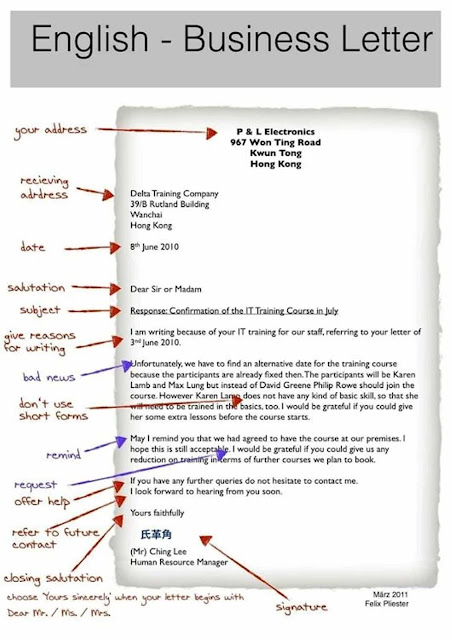
In 1965, a young woman posted a love letter in a small city in England and then waited for an answer that never came. Fifty years later, that exact envelope fell through a front door slot on a rainy Tuesday morning. Imagine opening your mail today and reading words written to you by someone who moved away half a century ago.
This is the true story of how a lost letter traveled across five decades to reach its home. It shows how one small piece of paper can hold a whole life frozen in time. Sometimes the post office takes a very long route, but the message still finds a way back.
How a Simple Envelope vanished into Thin Air
It was late autumn in 1965 when Brenda settled down at her wooden kitchen table in Leeds. She wrote three pages on light blue paper to a young man named Ray. They had spent the summer talking by the river, but Ray had moved to a new flat near London for work. Brenda wanted to tell him that she still thought about him every single day.
She folded the paper, slipped it into an envelope, and affixed a red three-penny stamp. She walked down the street and dropped it into a heavy red cast-iron postbox on the corner. The metal flap made a sharp click as it shut. That sound usually meant a letter would travel two hundred miles overnight by train and arrive the next morning. Instead, the paper slipped behind a dark wooden panel inside a sorting sorting frame at the local station.
Days turned into weeks. Brenda looked out her front window whenever she heard the postman walk up the path. Ray checked his metal box in London every evening after his shift ended. Neither said a word to the other about it. Both thought the silence was an answer. Ray assumed Brenda had moved on with her life in Leeds. Brenda felt embarrassed that she had shared her true feelings. They both went on with their lives, bought homes, and built separate paths across the country.

The Hidden Trap Inside the Old Postal Sorting Office
Postal workers processed millions of cards every week in the middle of the sixties. Sorting rooms were filled with tall wooden racks divided into hundreds of tiny squares. Men stood at those racks for eight hours a day, tossing envelopes into the right square by hand. It was fast work, and sometimes an envelope missed the box entirely.
Brenda's letter did not fall to the floor where someone might sweep it up. It slid flat into a narrow gap between a heavy sorting desk and the brick wall behind it. The paper rested in total darkness, free from damp air and sunlight. dust settled over the red stamp. Year after year, workers sorted mail in that room without knowing a life-changing note was stuck just three inches from their hands.
The building stayed in use for decades until the post office decided to close old branches. In 2015, a construction crew walked into the empty sorting room to tear down the old wooden frames. A worker using a small crowbar pulled a heavy rack away from the wall. The piece of wood gave way with a loud crack, and out fell a stack of old dust-covered paper. Right on top was Brenda's light blue envelope, looking almost as fresh as the day she bought it.
Why Did the Letter Arrive Fifty Years Late?
People often ask how mail can stay lost for so long without getting ruined or thrown away. When old post office buildings get remodeled, workers sometimes find items hidden in floorboards, old bags, or behind wall panels. Postal rules say every piece of mail must be delivered if an address still exists, no matter how old it is.
The site manager found the stack and called the local post office team right away. A senior mail worker took Brenda's envelope and carefully brushed away the grey dirt. The ink had not faded because no daylight had touched it for fifty years. The name and street address were clear as day, but fifty years is a long time for a city address. The old house numbers on that street in London had changed after the town rebuilt the block in the late seventies.
The worker did not give up. He spent three weeks looking through old city maps and phone books from 1965 to figure out where the original door used to stand. He tracked down the family that lived in the new building erected on that spot. This kind of effort is part of how people preserve historical moments through a Human-interest story about lost mail. It turns out Ray's sister still lived just four miles down the road from that very spot.
The Shock of Opening a Message from 1965
Ray was seventy-two years old and sitting in his garden when his sister drove up his path with a strange parcel. She handed him a clear plastic bag containing the original blue envelope. Ray stared at the handwriting on the front. He recognized the neat, rounded letters right away. His hands shook a little bit as he broke the fifty-year-old seal.
Reading the letter felt like opening a door back into his twenty-year-old self. The words spoke about a rainy afternoon walk, a shared joke about a flat tire, and a simple question: "Will you come back north this weekend?" Ray sat on his porch for an hour, reading the three pages over and over. He kept touching the paper, amazed that it had stayed safe while the world changed completely around it.
He remembered the pain he felt back in 1965 when he thought Brenda had ignored him. Now he realized she had written to him right away. The missed connection was not caused by a change of heart, but by a half-inch gap behind a wooden board. It makes you wonder how many life paths shift just because a piece of paper slips off a desk. We see similar strange twists of fate when reading about The Buried Town of Herculaneum and How It Was Found Again, where forgotten pieces of the past sit silently for ages before coming back to light.
What Happened When Brenda and Ray Met Again
Ray did not let another day go by. He used an online directory to look for Brenda's family name in Leeds. Within two days, he had a modern phone number written on a pad next to his kettle. He picked up the phone, dialed the digits, and waited as it rang four times. A woman answered with the same steady voice he remembered from his youth.
When Ray told her who was calling, Brenda stayed quiet for a long moment. Then he read the first line of her old letter back to her over the receiver. Brenda laughed, and then she cried. She had kept her own memories of that summer, never knowing why Ray had stopped writing after he moved away. She told him that she had stayed in Leeds, raised a family, and was now a grandmother.
They agreed to meet for tea at a quiet café halfway between their towns the following month. When they saw each other, they did not see two young strangers from a lost time. They saw two old friends who finally got to finish a conversation that started fifty years ago. They brought the blue envelope to the table and set it right next to the teapot as they talked about everything that had happened over five decades.
The Power of Written Words in a Fast World
Today we send text messages in one second. We hit send and see two small blue ticks right away. If someone does not reply in ten minutes, we wonder what went wrong. Looking back at Brenda's letter reminds us how much weight paper used to carry. People put their real thoughts into ink because it was the only way to reach across the distance.
Old letters act like a time capsule for real lives. They capture the exact way people spoke, the price of a bus ticket, and the small worries of a normal Tuesday in 1965. You can learn more about how everyday memories are kept alive through Oral history collections that preserve local voices. Brenda's letter did not change the past, but it gave both of them peace about their youth.
If you want to read more strange tales from real life, check out our collection of unusual historical events on our true stories blog. There are so many forgotten pieces of history waiting under floorboards and inside old drawers across the world.
Do you have an old box of paper notes tucked away in an attic or a closet? Maybe tonight is a good time to pull it down, open a yellowed envelope, and see what lost stories are waiting inside for you to read them again.
Comments
Post a Comment